Viral particles have important applications in medicine for the prevention and treatment of disease. They are used as vaccines to prevent infections, but also as tools in gene therapy.
Viral vaccines can be of different types. Some consist of live but weakened(attenuated), viruses that can replicate in the body and induce a strong immune response, such as vaccines against measles, mumps, rubella, and poliomyelitis. Other vaccines contain whole but non-infectious viral particles, as in the case of influenza vaccines.
A third approach is based on the use of individual viral proteins, for example in the hepatitis B vaccine, or virus-like structures without genetic material, known as virus-like particles, such as those used in vaccines against human papillomavirus. All these types of vaccines stimulate the development of a protective immune response but do not cause disease.
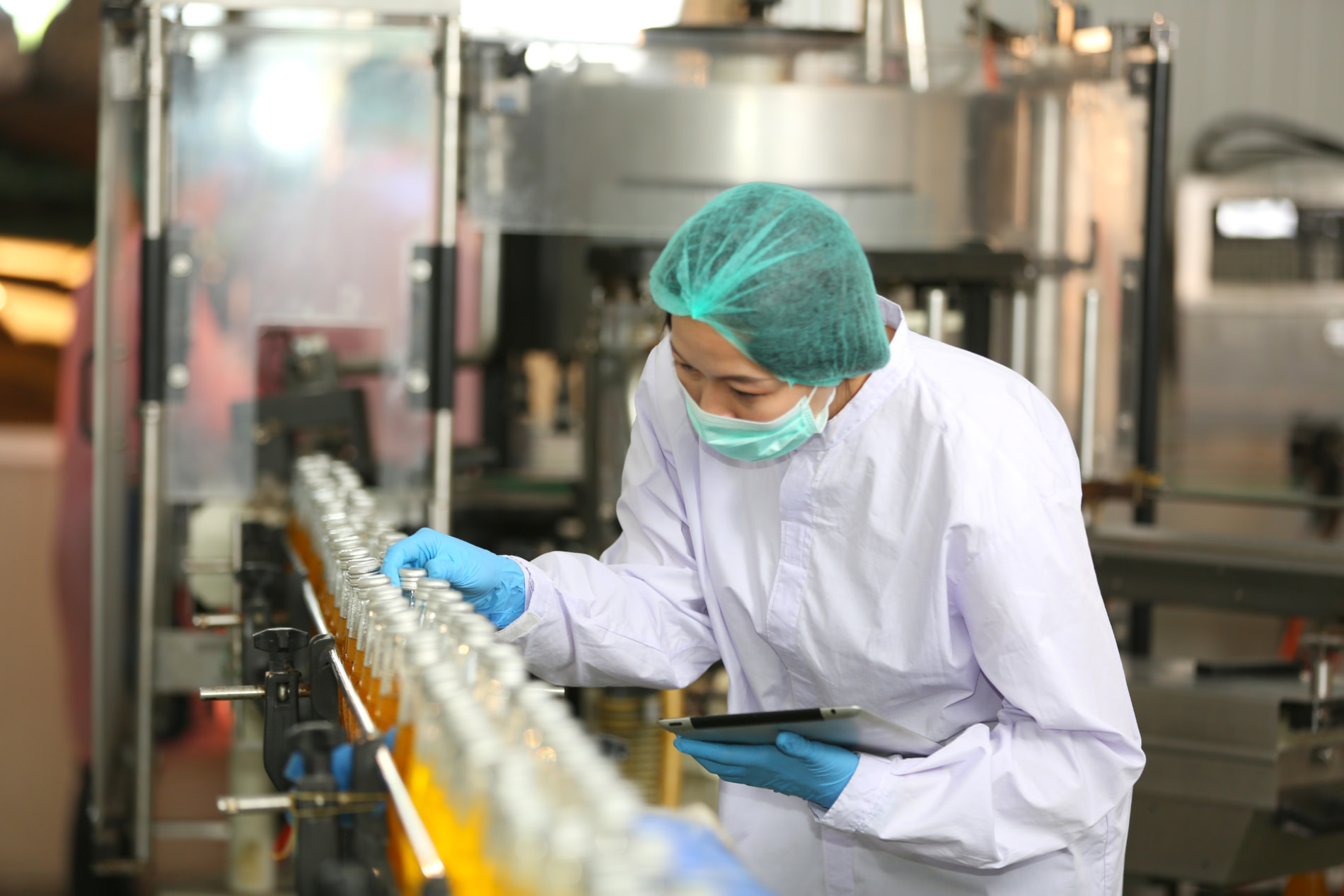
In gene therapy, viruses are used as vectors to transfer genetic material into cells in order to achieve a therapeutic effect. For this purpose, adenoviruses, retroviruses including lentiviruses, adeno-associated viruses, herpes simplex virus, and vaccinia virus are most commonly used. The production of viral particles for vaccines and gene vectors takes place under controlled conditions, most often in cell culture in vitro or in chicken embryos in vivo. The initial part of the process, during which viruses are propagated, is called upstream processing.
After replication, viral particles must be purified. During production, various impurities may be present, such as components of the culture medium, for example serum proteins, parts of host cells, such as proteins and DNA, or undesired viral structures, such as empty capsids and aggregates. The process of removing these impurities is called downstream processing, and its goal is to obtain a safe and effective final product that meets strict regulatory requirements.
Downstream purification is one of the most demanding and most expensive parts of production, as it can account for up to 70% of total costs. It includes several steps, such as centrifugation, which separates particles according to size and density; filtration, in which the suspension passes through membranes that retain certain particles; and chromatography, which separates molecules based on properties such as size, charge, or hydrophobicity. The most commonly used methods include ion-exchange, affinity, and hydrophobic chromatography, as well as gel filtration.
Viruses are sensitive systems and can easily lose infectivity during processing, which is why all purification steps must be carefully optimized. Since each virus has specific biochemical and biophysical properties, the production and purification process must be adapted to each individual virus. Modern approaches such as Design of Experiments are used to optimize the process, enabling a better understanding of the effects of different parameters and their interactions. This approach is part of the broader concept of Quality by Design, whose goal is to ensure the high quality and safety of the final product.